Introduction to Monsoon-Related Illnesses in Children
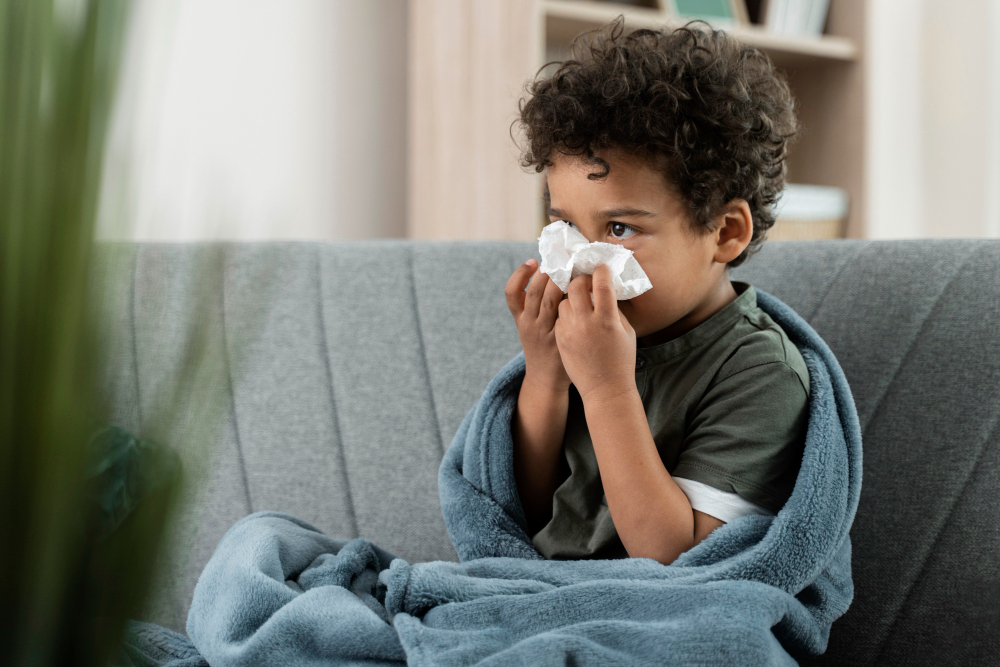
Every year, the rainy season brings relief from the heat. However, it also increases the risk of common monsoon-related illnesses in children. In India and other parts of South Asia, children are more likely to get sick during this time. Because their immune systems are still developing, they are more vulnerable to infections. Knowing about these illnesses can help parents keep their children safe and healthy.
Common Illnesses During Monsoon
During the monsoon, several diseases become more common in children. For example, water and mosquito-borne illnesses spread quickly. Here are some of the most frequent monsoon diseases in children:
Because these illnesses can be serious, early detection is important.
Symptoms to Watch For
It is important to notice symptoms early. This helps in quick treatment. Watch for these signs in your child:
If your child shows any of these symptoms, you should monitor them closely. Sometimes, symptoms can get worse quickly.
Causes and Risk Factors
Monsoon illnesses in children often spread due to wet and humid conditions. For instance, stagnant water is a breeding ground for mosquitoes. Also, contaminated water and food can cause stomach infections. Some risk factors include:
Because these factors are common during the rainy season, extra care is needed.
Diagnosis and When to See a Doctor
Early diagnosis helps prevent complications. If your child has a high fever for more than two days, see a doctor. Sometimes, blood tests or stool tests are needed to confirm the illness. For example, dengue and malaria need special tests. If your child is very weak, vomiting a lot, or has trouble breathing, seek medical help right away.
Treatment Options
Treatment depends on the illness. Most viral fevers need rest, fluids, and fever medicine. However, diseases like malaria, dengue, or typhoid may need special medicines. Doctors may give antibiotics for bacterial infections. Always follow the doctor’s advice and never give medicines without consulting a healthcare provider.
Prevention Tips and Home Care
Prevention is better than cure, especially during the rainy season. Here are some simple tips to protect your child from monsoon diseases:
At home, give your child plenty of fluids and light meals. Because rest helps recovery, make sure your child gets enough sleep.
When to Seek Emergency Care
Sometimes, monsoon illnesses can become serious. Seek emergency care if your child:
Quick action can save lives. Therefore, do not wait if you notice these warning signs.
Conclusion and Call-to-Action
In summary, common monsoon-related illnesses in children can be prevented with good hygiene and care. Because early treatment is important, always watch for symptoms. If your child shows signs of illness during the rainy season, consult a pediatrician at Swathi Children’s Clinic for personalized advice. Keeping your child healthy during the monsoon is possible with the right steps.