
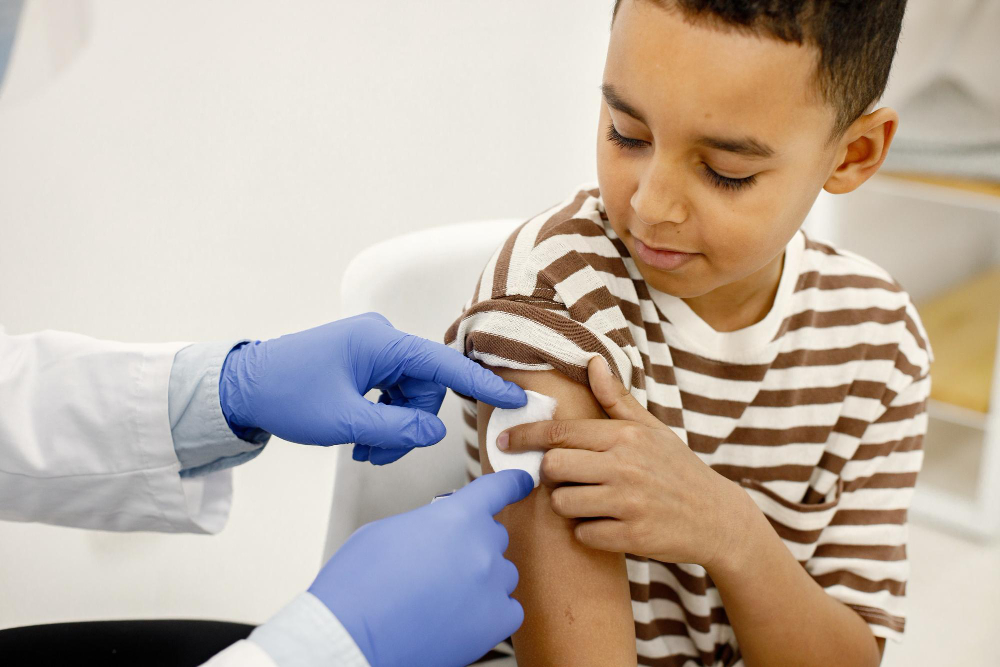
Vaccines in children play a big role in keeping kids healthy. Childhood immunization helps protect against many serious diseases. In fact, pediatric vaccines are one of the best ways to prevent illness. Many parents wonder why vaccines are important for kids. This blog will share five key facts every parent should know about vaccines in children. Understanding these facts can help you make the best choices for your child’s health.
Fact 1: Vaccines Protect Children from Serious Diseases
First, vaccines help prevent many dangerous illnesses. For example, they protect against measles, mumps, and polio. These diseases can cause serious problems or even death. However, with vaccines, most children never get them. According to the CDC, vaccines have saved millions of lives worldwide. Because of childhood immunization, many diseases are now rare. So, vaccines are a safe and easy way to keep your child healthy.
Fact 2: Vaccines Work by Training the Immune System
Next, vaccines teach the body how to fight germs. When a child gets a vaccine, their immune system learns to recognize and attack the disease. As a result, if the child is exposed to the real germ later, their body can fight it off quickly. This means most vaccinated kids do not get sick. Even if they do, the illness is usually mild. In short, vaccines help the body build strong defenses against disease.
Fact 3: Myths About Pediatric Vaccines Are Not True
Many people hear myths about vaccines in children. For instance, some think vaccines cause autism. However, many studies show this is not true. The World Health Organization and CDC both confirm that vaccines are safe. Sometimes, people worry about the number of shots. But, children’s bodies can handle many vaccines at once. In fact, skipping vaccines puts kids at risk for serious illness. So, it is important to trust facts, not myths.
Fact 4: Children Need Vaccines at Specific Ages
There is a recommended vaccine schedule for children. This schedule tells parents when kids should get each vaccine. Following the schedule helps protect children when they are most at risk. For example, babies get some vaccines soon after birth. Others are given before starting school. The CDC and WHO both provide easy-to-follow vaccine schedules. If you miss a shot, your doctor can help you catch up. Staying on schedule keeps your child safe.
Fact 5: Childhood Vaccines Are Safe and Well-Studied
Finally, vaccines for children are tested for safety before use. Health experts watch for side effects and study vaccines for many years. Most side effects are mild and go away quickly. For example, a child may have a sore arm or a low fever. Serious reactions are very rare. Because of strict testing, vaccines are much safer than the diseases they prevent. The CDC and WHO both say vaccines are safe for children.
In summary, vaccines in children are a safe and proven way to protect your child’s health. They prevent serious diseases, work with the immune system, and follow a trusted schedule. Myths about vaccines are not true, and side effects are usually mild. For the best advice, consult your pediatrician at Swathi Children’s Clinic for personalized vaccine advice.