What Are Skin Infections and Rashes in Children?
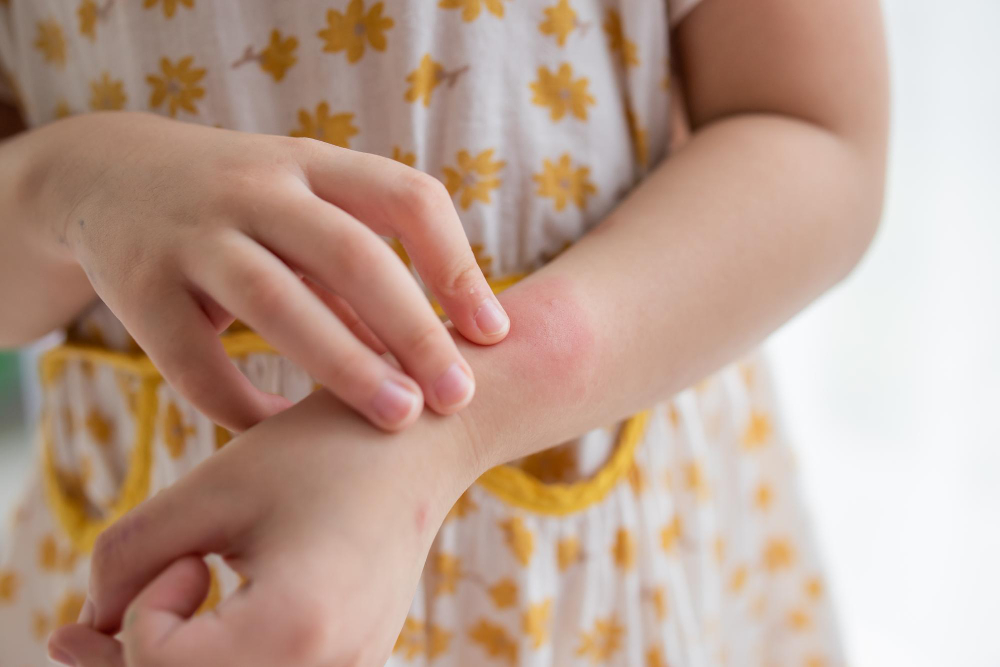
Skin infection and rashes in children are common health concerns. These problems can cause redness, bumps, or itching. Sometimes, a rash is a sign of a mild issue. Other times, it may point to a more serious infection. Because children’s skin is sensitive, they can get rashes easily. Early care helps prevent problems from getting worse.
Common Symptoms and Types
Children may show different signs when they have a skin infection or rash. For example, some rashes look like red spots, while others form blisters. Often, these symptoms appear suddenly. However, some may develop slowly over time.
There are several common types of pediatric skin infections and rashes:
Causes and Risk Factors
Many things can cause skin infection and rashes in children. For instance, bacteria, viruses, or fungi may infect the skin. In addition, allergies or irritants like soaps can trigger rashes. Sometimes, heat or sweat can also lead to skin problems.
Several risk factors increase the chance of skin infections:
Diagnosis Methods
Doctors use different ways to diagnose skin infection and rashes in children. First, they look at the rash and ask about symptoms. Sometimes, they may gently scrape the skin for a sample. This helps find out if bacteria, fungi, or viruses are present. In rare cases, blood tests or allergy tests may be needed. Early diagnosis helps start the right treatment quickly.
Treatment Options
Treatment depends on the cause of the skin infection or rash. For mild cases, over-the-counter creams may help. However, some infections need prescription medicines. Doctors may suggest:
Always follow your doctor’s advice for the best results.
Home Care and Lifestyle Guidance
Home care can make your child more comfortable. For example, keep the skin clean and dry. In addition, use gentle soaps and avoid harsh chemicals. Try these tips at home:
If the rash gets worse or does not improve, seek medical help.
Prevention Tips
There are simple ways to lower the risk of skin infection and rashes in children. For instance, teach your child to wash hands often. Also, avoid sharing towels or personal items. Here are more prevention tips:
When to See a Doctor
Sometimes, skin infection and rashes in children need medical care. For example, if your child has a high fever, severe pain, or spreading redness, call your doctor. Also, seek help if the rash lasts more than a week or forms open sores. Early treatment can prevent serious problems.
Conclusion
In summary, skin infection and rashes in children are common but often treatable. Early care and good hygiene can help prevent many issues. However, always consult a pediatrician or healthcare provider at Swathi Children’s Clinic for advice tailored to your child’s needs.