
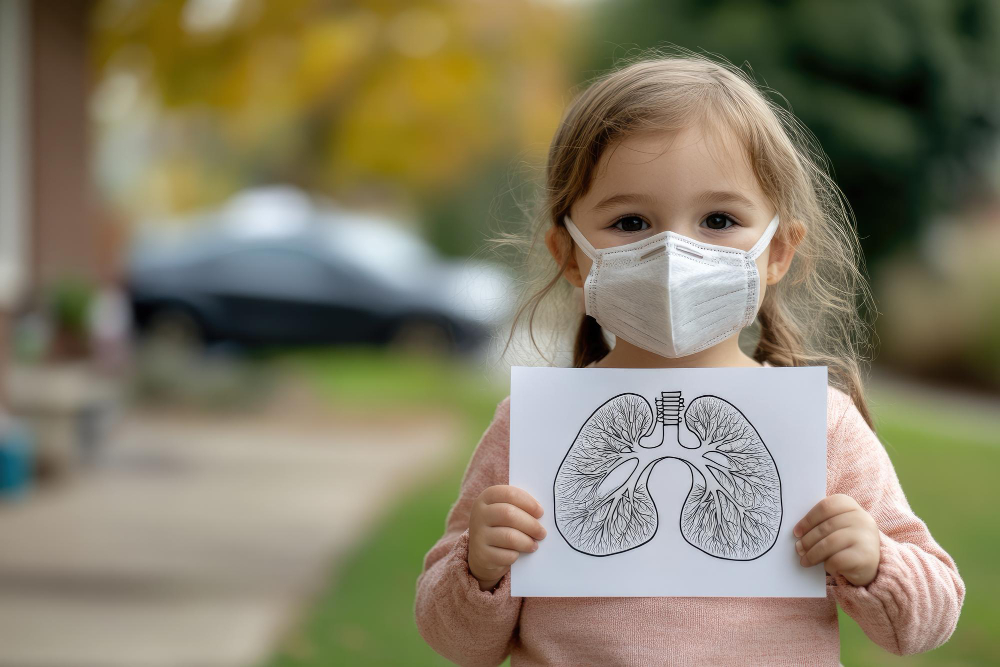
What is Bronchitis in Children?
Bronchitis in children is a common illness. It happens when the airways in the lungs, called bronchi, become swollen. This swelling makes it hard for air to move in and out of the lungs. As a result, children may cough and have trouble breathing. Usually, bronchitis in children is caused by a virus. Sometimes, it can be caused by bacteria. Most cases get better with simple care at home. However, it is important to know the signs and when to seek help.
Common Symptoms
Children with bronchitis often show several signs. Early detection helps with better care. Here are the most common childhood bronchitis symptoms:
Sometimes, symptoms can last for a few weeks. But, most children start to feel better within a week or two.
Causes and Risk Factors
Most often, bronchitis in children is caused by viruses, like those that cause colds or the flu. However, bacteria can also cause it, but this is less common. There are some risk factors that make children more likely to get bronchitis. For example, children who are around cigarette smoke have a higher risk. Also, kids with allergies or asthma may get bronchitis more easily.
Because these factors can increase risk, it is important to try to avoid them when possible.
How Bronchitis is Diagnosed in Children
Doctors usually diagnose bronchitis in children by asking about symptoms and doing a physical exam. Often, they listen to the child’s chest with a stethoscope. Sometimes, doctors may order a chest X-ray or a test for viruses if needed. However, most of the time, extra tests are not required. If symptoms last longer than usual, or if the child has trouble breathing, more tests may be needed.
Treatment Options
Most cases of bronchitis in children get better on their own. Because viruses cause most cases, antibiotics are not usually needed. However, doctors may suggest medicine to help with symptoms. Here are some common bronchitis treatment options for kids:
Sometimes, if a bacterial infection is present, antibiotics may be prescribed. Always follow your doctor’s advice for any medicine.
Home Care and Lifestyle Tips
There are many ways to help your child feel better at home. For example, you can:
Additionally, make sure your child washes their hands often. This helps prevent the spread of germs.
Prevention Strategies
Preventing bronchitis in children is possible with some simple steps. Here are some tips for preventing bronchitis in children:
Because prevention is key, these steps can help keep your child healthy.
When to See a Doctor
Most children recover from bronchitis without problems. However, you should see a doctor if your child:
Early medical care can prevent serious problems. If you are unsure, it is always best to ask your doctor.
In summary, bronchitis in children is usually mild but can be uncomfortable. With proper care and prevention, most children recover quickly. Consult a pediatrician at Swathi Children’s Clinic for personalized advice about bronchitis in children.