Introduction
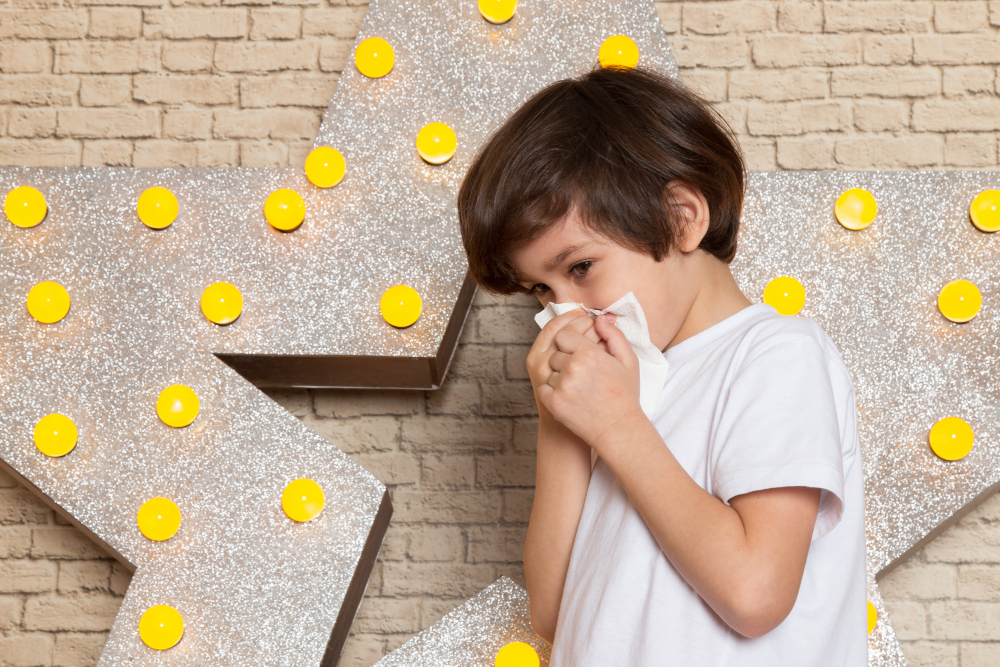
Allergic rhinitis in children is a common condition. It happens when a child’s immune system reacts to things like pollen, dust, or pet dander. As a result, children may have sneezing, a runny nose, or itchy eyes. According to the CDC, many children experience these symptoms each year. Early care can help children feel better and avoid problems.
Symptoms
Children with allergic rhinitis often show clear signs. However, symptoms can look like a cold. For this reason, it is important to know what to watch for. Common pediatric allergy symptoms include:
Sometimes, children may also have trouble sleeping. In addition, they may breathe through their mouth.
Causes and Risk Factors
Allergic rhinitis in children happens when the body reacts to harmless things. These things are called allergens. For example, pollen, dust mites, mold, and pet dander can trigger symptoms. But not every child reacts the same way. Some children are more likely to develop allergies. Risk factors include:
Because children’s immune systems are still growing, they may be more sensitive to allergens. Also, early exposure can increase the risk.
Diagnosis
Doctors use several steps to diagnose allergic rhinitis in children. First, they ask about symptoms and family history. Next, they may do a physical exam. Sometimes, doctors suggest allergy tests. These tests help find out what causes the reaction. Common tests include:
With these tests, doctors can find the best treatment for childhood allergic rhinitis. According to the CDC, early diagnosis helps prevent complications.
Treatment Options
Treatment for childhood allergic rhinitis aims to reduce symptoms and improve daily life. Several options are available. Your doctor may suggest:
Because each child is different, doctors choose treatments based on age and symptoms. Always follow your pediatrician’s advice for safe care.
Lifestyle Tips and Prevention
Simple changes at home can help manage allergic rhinitis in children. For example, you can:
In addition, avoid smoking around children. These steps can lower the risk of allergy flare-ups.
When to See a Doctor
Sometimes, home care is not enough. If your child’s symptoms last more than two weeks, see a doctor. Also, seek help if your child has trouble breathing, frequent nosebleeds, or poor sleep. Early treatment can prevent problems and help your child feel better.
Conclusion
Allergic rhinitis in children is common but manageable. With the right care, most children can enjoy daily life. If you notice signs of allergies, do not wait. Consult a pediatrician at Swathi Children’s Clinic for personalized advice on allergic rhinitis.